
What to do after a car accident
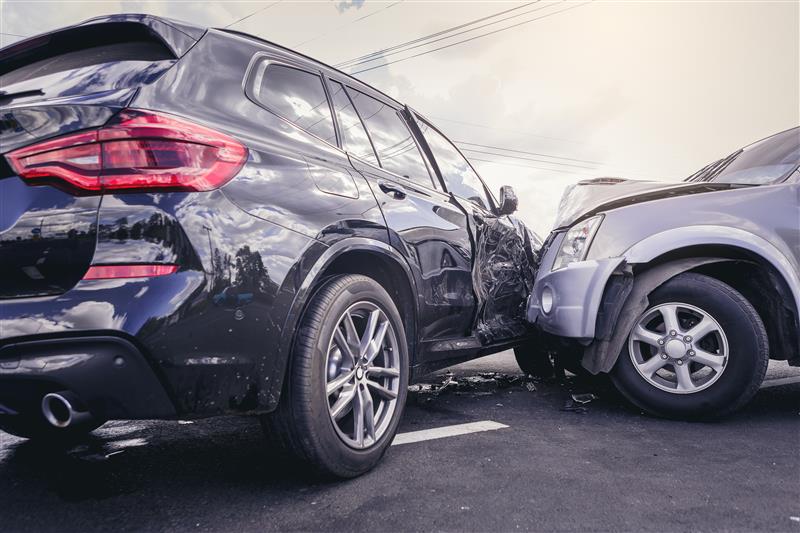
Car accidents are, sadly, part of life on South African roads. In 2023, over 12,000 people lost their lives in road crashes, a number reported by the Road Traffic Management Corporation (RTMC). That puts us among the countries with the highest road fatality rates globally. In fact, South Africa ranks 42nd in the world for car crash deaths, according to BusinessTech .
So, if you’re ever in an accident (even a minor one) would you know what to do? We’ve put together a simple, step-by-step guide to help you handle the situation like a pro.
Car Accident Response Checklist
Here’s a quick summary of what to do after a crash. Save it, screenshot it, or print it for your cubbyhole:
Stay at the scene and turn on your hazards.
Check for injuries and call emergency services (dial from any cellphone).
Call the police if there are injuries, fatalities, or serious damage.
Photograph the scene before moving vehicles.
Collect details from all drivers, passengers, and witnesses.
Document the scene: road conditions, weather, traffic lights, etc.
Report the accident to your insurance company.
Keep any dashcam footage.
Search for OEM replacement parts if needed (e.g. via APOS).
1) Stop and Remain at the Scene
If you’re in a collision, even a small one, stop the car immediately and stay at the scene. Driving off could get you into serious trouble, especially if anyone’s hurt or worse. Switch on your hazard lights to alert other drivers and get out only when it’s safe to do so.
Switch on hazard lights.
Turn off your engine.
Check surroundings for danger (fire, traffic, etc.).
Safely exit the vehicle.
Move to a safe spot near the road (if uninjured).
For more guidance, see Arrive Alive’s detailed accident response advice .
2) Check on Everyone Involved in the Accident
Before you look at the damage, make sure everyone is okay. That includes drivers, passengers, and anyone else who might’ve been involved. If someone is injured, phone emergency services right away. Unless there’s an immediate danger (like fire), don’t move anyone who’s unconscious or who reports neck or back pain—leave that to the professionals.
3) Call the Police and Clear the Road
If someone’s injured or if there’s major damage, you must call the police. They’ll need your name, address, and vehicle registration number and you’re legally required to provide these if asked. If police don’t arrive at the scene, report the accident at your nearest police station within 24 hours.
While you wait for help, move the cars out of the way only if they’re blocking traffic—but take photos of the scene first.
4) Collect and Exchange Information
Once everyone’s safe and the scene is secure, start gathering details. You’ll need this info for your insurance claim, and it’s easier to collect it on the spot than later. Make sure you get:
Names and contact details of all drivers and passengers.
Licence plate numbers and driver’s licence details.
Insurance details for every driver involved.
Contact info for any witnesses.
5) Document the Scene
Use your phone to capture the facts while they’re fresh. Take clear photos of all vehicles, damage, road conditions, traffic lights, signs, potholes, and anything else that might’ve played a role.
The exact location, date, and time.
Weather and traffic conditions.
A short description of how the accident happened.
This will all help when it’s time to submit your Car Insurance claim.
6) Report the Accident to Your Car Insurance Company
Get in touch with your insurer as soon as you can, and be honest about what happened. They’ll want all the details, including photos and any official documents. Even if you don’t plan to make a claim, it’s still important to let your insurance provider know about the accident within a reasonable time.
7) Replacing Damaged Parts
If the other driver is at fault, their insurer might arrange to fix your car. If not, or if you’re uninsured, you might have to cover the costs yourself. Keep in mind that some uninsured losses (like personal belongings or certain aftermarket upgrades) could come out of your own pocket.
Need to find parts? Check out OEM Auto Parts or APOS to search for original equipment manufacturer (OEM) parts online.
What NOT to Do After a Car Accident
leave the scene, even for a minor bumper bash.
admit fault—state the facts to police and insurers.
get aggressive or emotional; stay calm and respectful.
ignore minor injuries—they can worsen over time.
delay reporting the incident to your insurer or the police.

Hippo Comparative Services (Pty) Ltd is an authorised financial service provider.
FSP number: 16357. Block A, Steyn City Capital Park, Erling Road, Riverglen, Dainfern, 2191
*Based on independent research by Kaufman Levin & Associates 2025.


Insurance
Car InsuranceBusiness InsuranceLife InsuranceFuneral CoverPet InsuranceHome Contents InsuranceBuildings InsuranceTravel InsuranceMotorbike InsuranceCombo InsuranceMotor
Car InsuranceMotorbike InsuranceScratch & Dent CoverTyre & Rim CoverMotor WarrantyService PlansVehicle TrackingLife
Life InsuranceFuneral InsurancePet InsuranceHome Contents InsuranceBuildings InsuranceTravel InsuranceBusiness
Business InsuranceCar & Commercial Property InsuranceBusiness Legal CoverProfessional Liability CoverPublic Liability CoverEvent Liability CoverEmployee BenefitsInternet
Fibre Internet© Copyright 2026 Hippo Comparative Services (Pty) Ltd. All Rights Reserved.